
How Do Solar and Batteries Work?
Understanding solar and battery systems doesn't have to be complicated. Our goal is to make the process simple, transparent, and easy to understand, so you can make confident decisions about your energy future. Once you understand how solar and battery storage work together, it's easy to see how the right system can help reduce energy costs, increase energy independence, and deliver long-term value for your home.
Solar and Batteries
How it works
How solar & batteries work
Understanding solar and battery systems doesn't have to be complicated. Here's the simple version — five steps from sunlight on your roof to lower power bills inside your home.
Sunlight becomes electricity
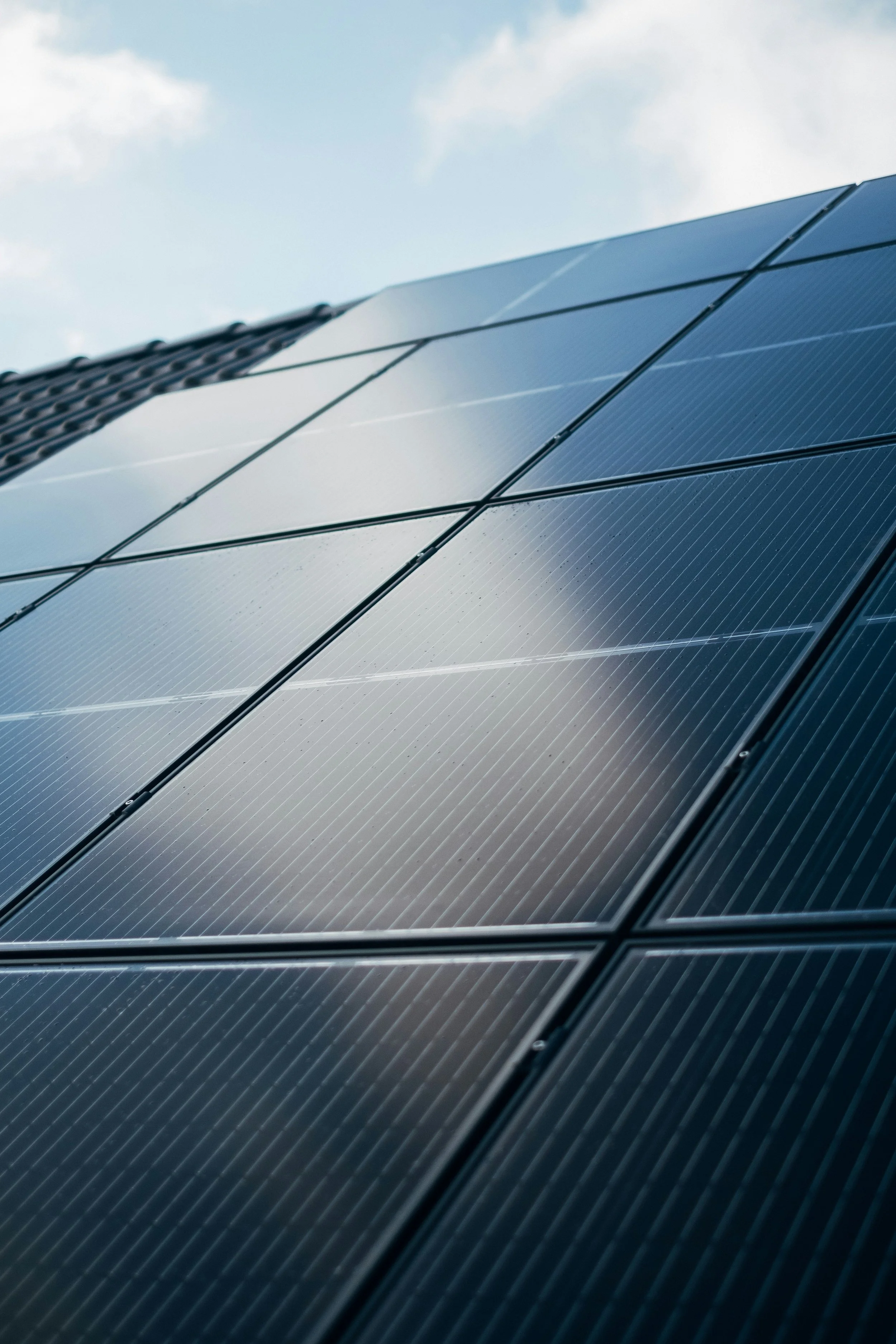
Your solar panels use photovoltaic (PV) cells to turn sunlight into direct current (DC) electricity, which flows straight to your inverter.
The inverter does its thing
The inverter converts that DC electricity into alternating current (AC) — the type of power your home's appliances actually run on.
Your home uses the power first
That clean solar power runs your home straight away, so you draw far less from the grid during daylight hours.
Extra power gets stored
Any solar you don't use is stored in your battery for later, instead of being exported to the grid for a small feed-in tariff.
When solar isn't enough
At night or on cloudy days your battery powers the home first. The grid only tops up whatever's left — keeping you covered around the clock.
What does this mean for you?
Lower power bills
The more solar energy you use in your home, the less electricity you buy from the grid — helping you cut costs and take real control of your power bills.
Energy independence
Adding a battery lets you store excess solar for when the sun isn't shining, reducing your reliance on your retailer and delivering smarter long-term savings.
Want this working on your home?
Get a custom solar and battery design built around how your household actually uses power — installed by SAA-accredited local installers.
Here's a simple step-by-step guide to how a solar and battery system works.
-
Solar panels use photovoltaic (PV) cells to convert sunlight into electricity. This electricity is produced as direct current (DC) power and is then sent to an inverter, where it is converted into usable energy for your home.
-
The electricity generated by your solar panels (DC) flows to the inverter, which converts it into the type of power used by your home. This allows your lights, appliances, air conditioning, and other everyday devices to run on solar energy.
-
Once the electricity has been converted, your home will automatically use solar energy before drawing power from the grid. If your solar system is generating enough electricity to meet your household's needs, your lights, appliances, and air conditioning can run on solar power instead of electricity purchased from your energy retailer.
-
If your solar system generates more electricity than your home is using, the excess energy doesn't go to waste.
If you have a battery, the surplus power can be stored for use later in the day when solar production is lower or after the sun has set. If your battery is fully charged, any remaining energy can be exported back to the grid, where you may receive a feed-in tariff from your energy retailer.
-
When solar production is low or your household requires more energy than your solar system and battery can provide, your home will automatically draw electricity from the grid. The transition happens seamlessly in the background, ensuring your home always has the power it needs.
What does this mean for you?
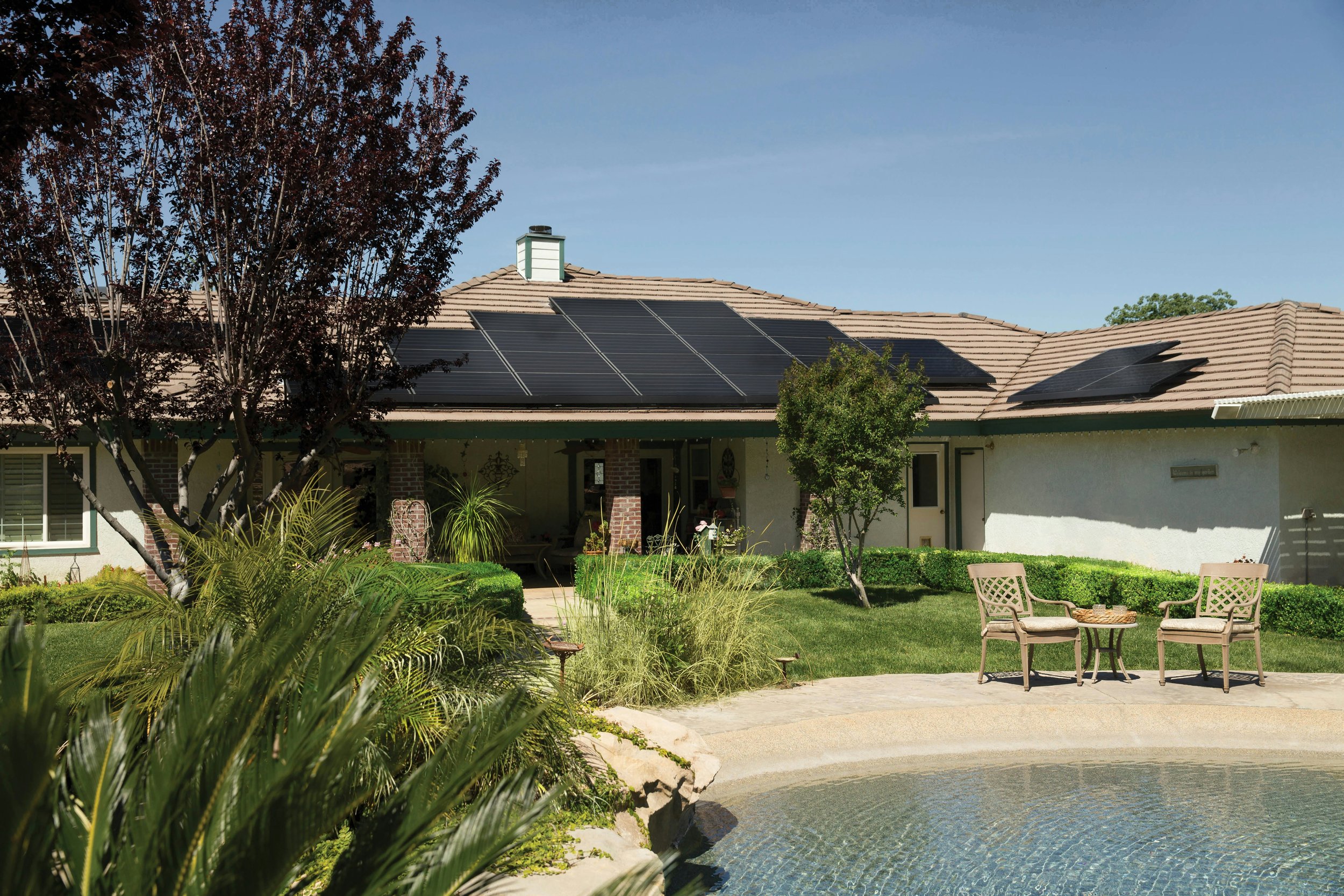
The more solar energy you use in your home, the less electricity you need to buy from the grid—helping you reduce energy costs and take greater control of your power bills.
By adding a battery, you can store excess solar energy for use when the sun isn't shining, reducing your reliance on your energy retailer and increasing your energy independence. The result is a smarter, more efficient energy solution designed to deliver long-term savings and greater peace of mind.